The Gentrification of E8 4PH
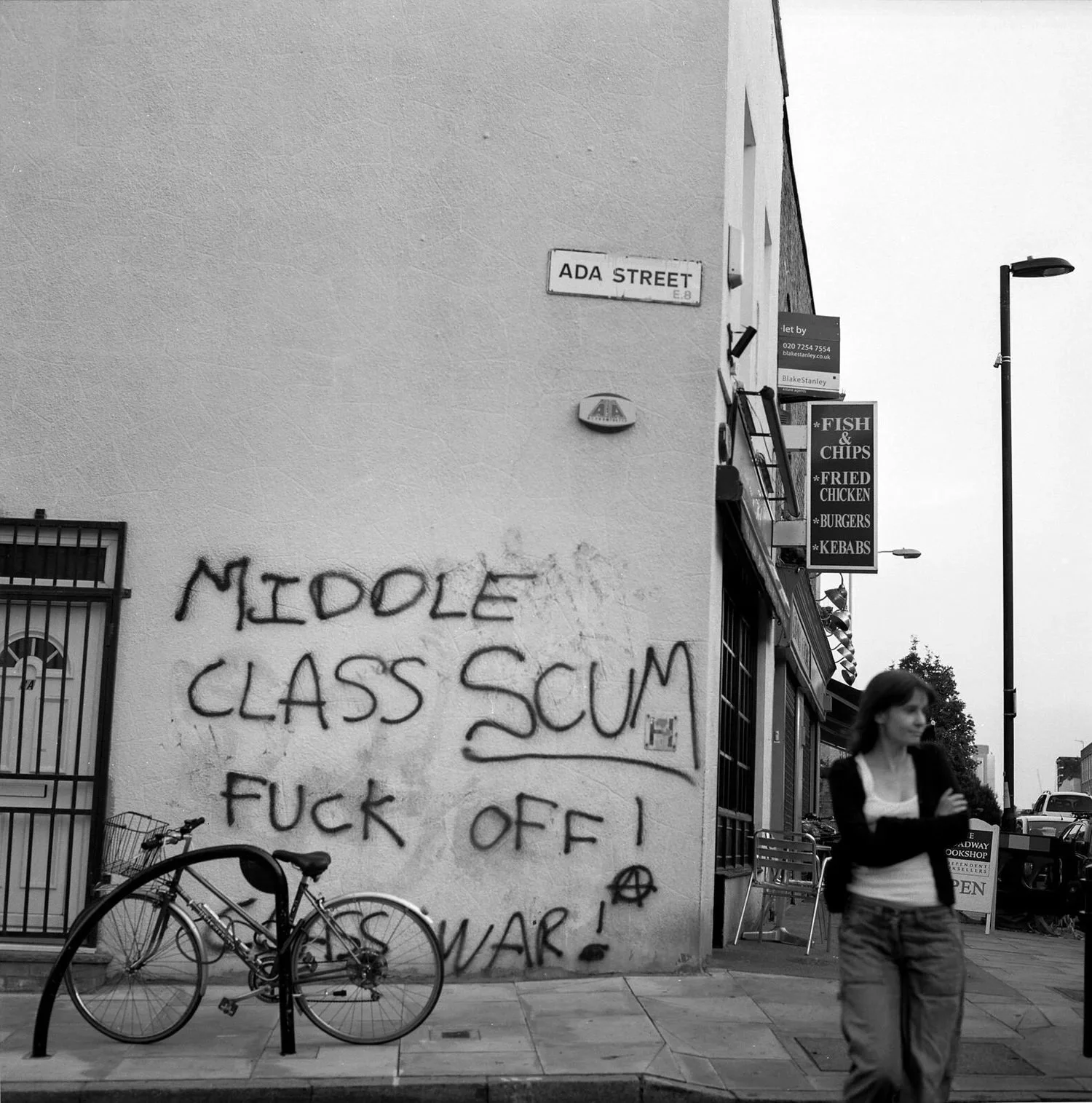
Broadway Market in London’s East End has long reflected the shifting story of the city. In the 1980s, photographer Stuart Goodman captured its defiant spirit with graffiti that read: “Broadway Market is not a sinking ship it’s a submarine.” By the early 2000s, that resilience was tested again as regeneration swept through Hackney.
The turning point came in 2001, when Hackney Council discovered a £72 million deficit and began selling off much of its commercial property to cover the shortfall. Among those affected were long-standing traders like Tony Platia, Lowell ‘Spirit’ Grant, and Tiko Tuskadze – each of whom represented the market’s independent character.
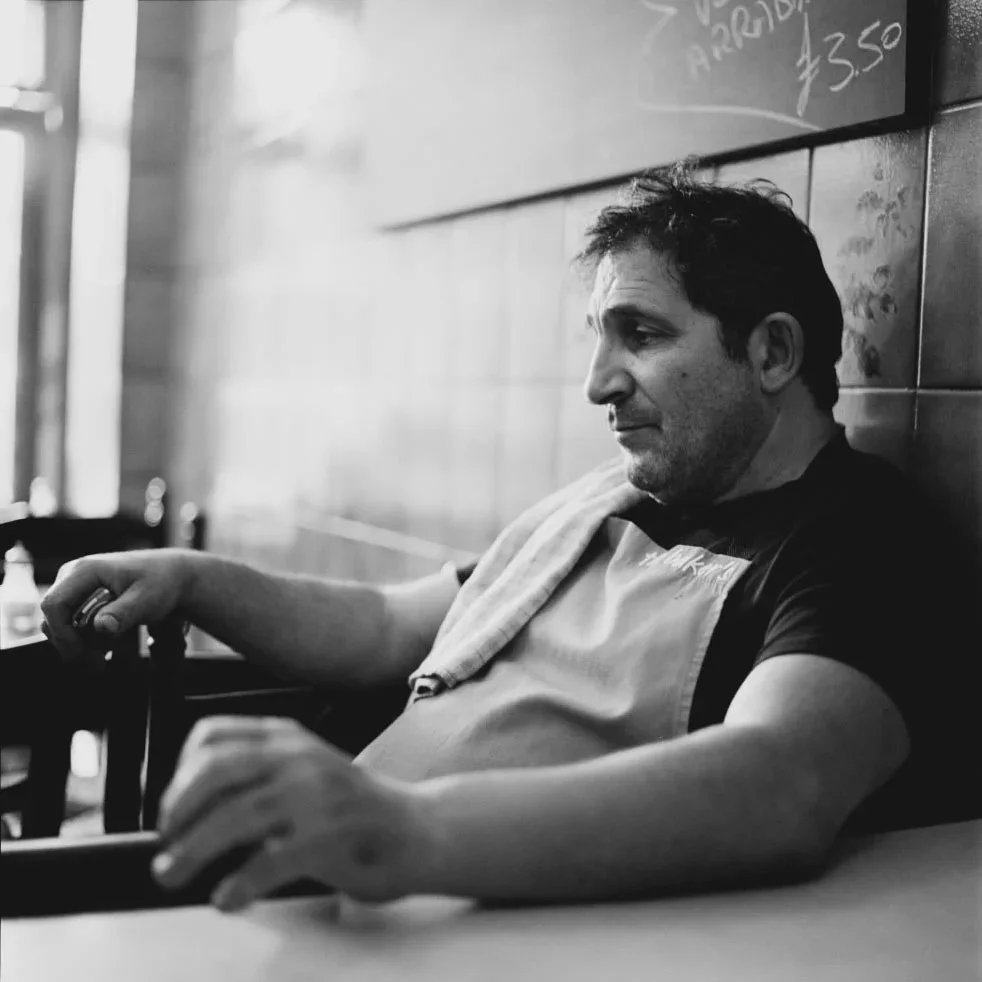
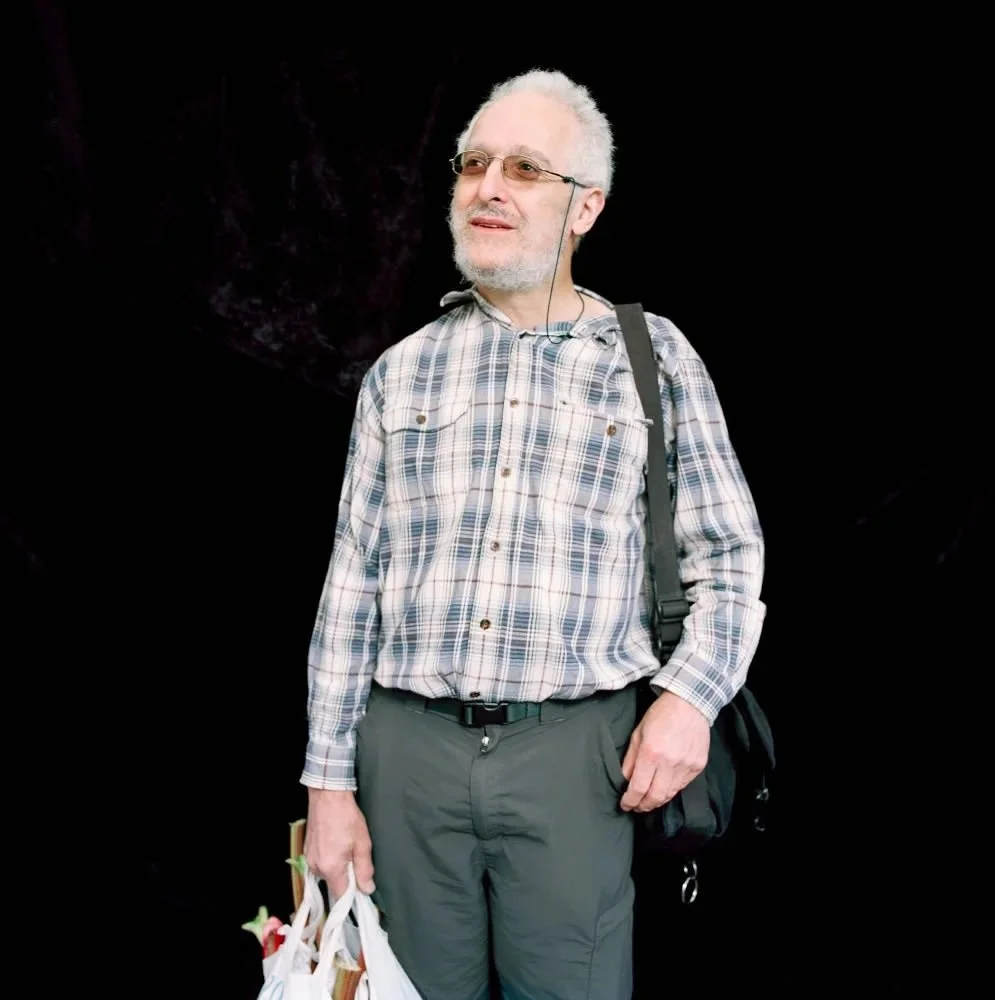
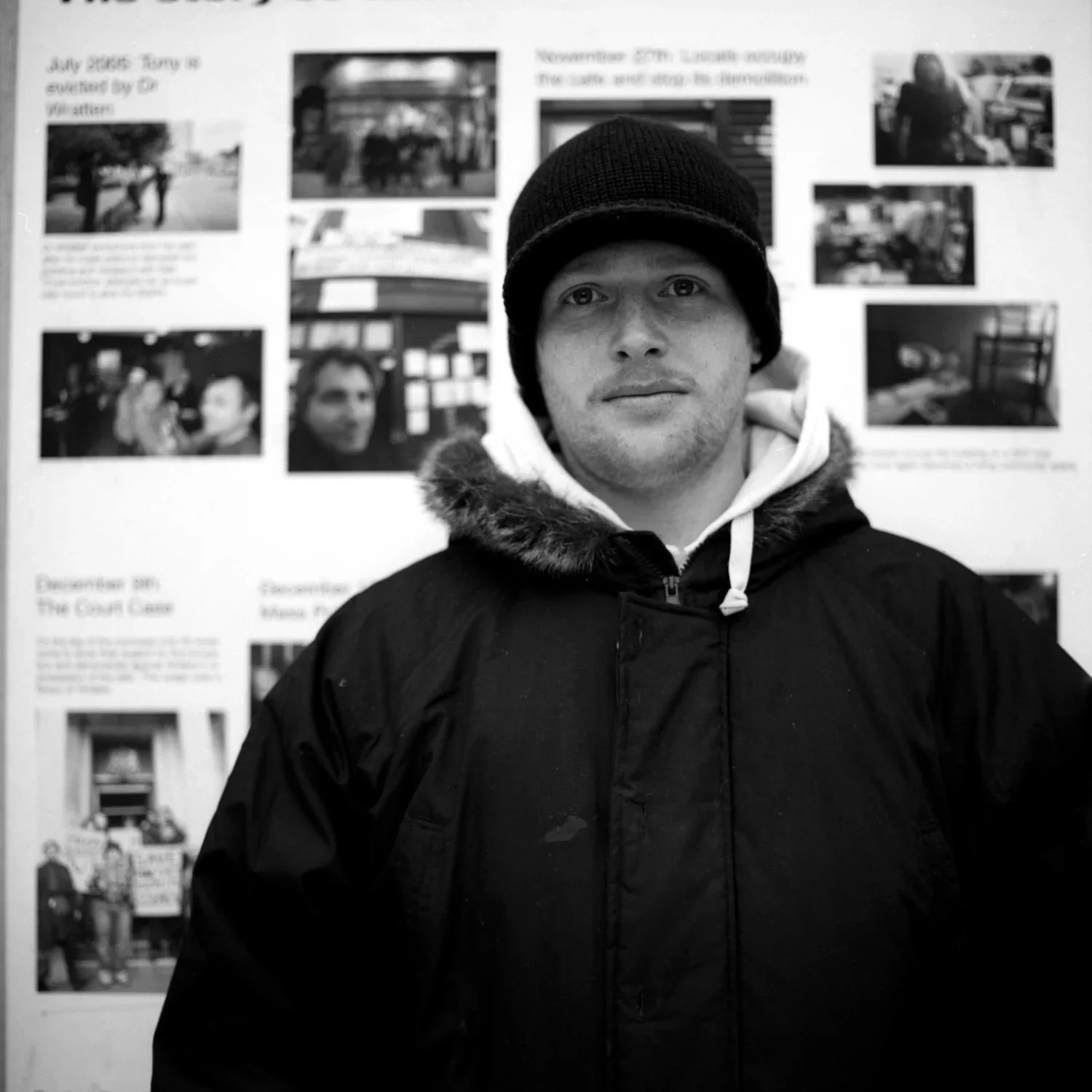
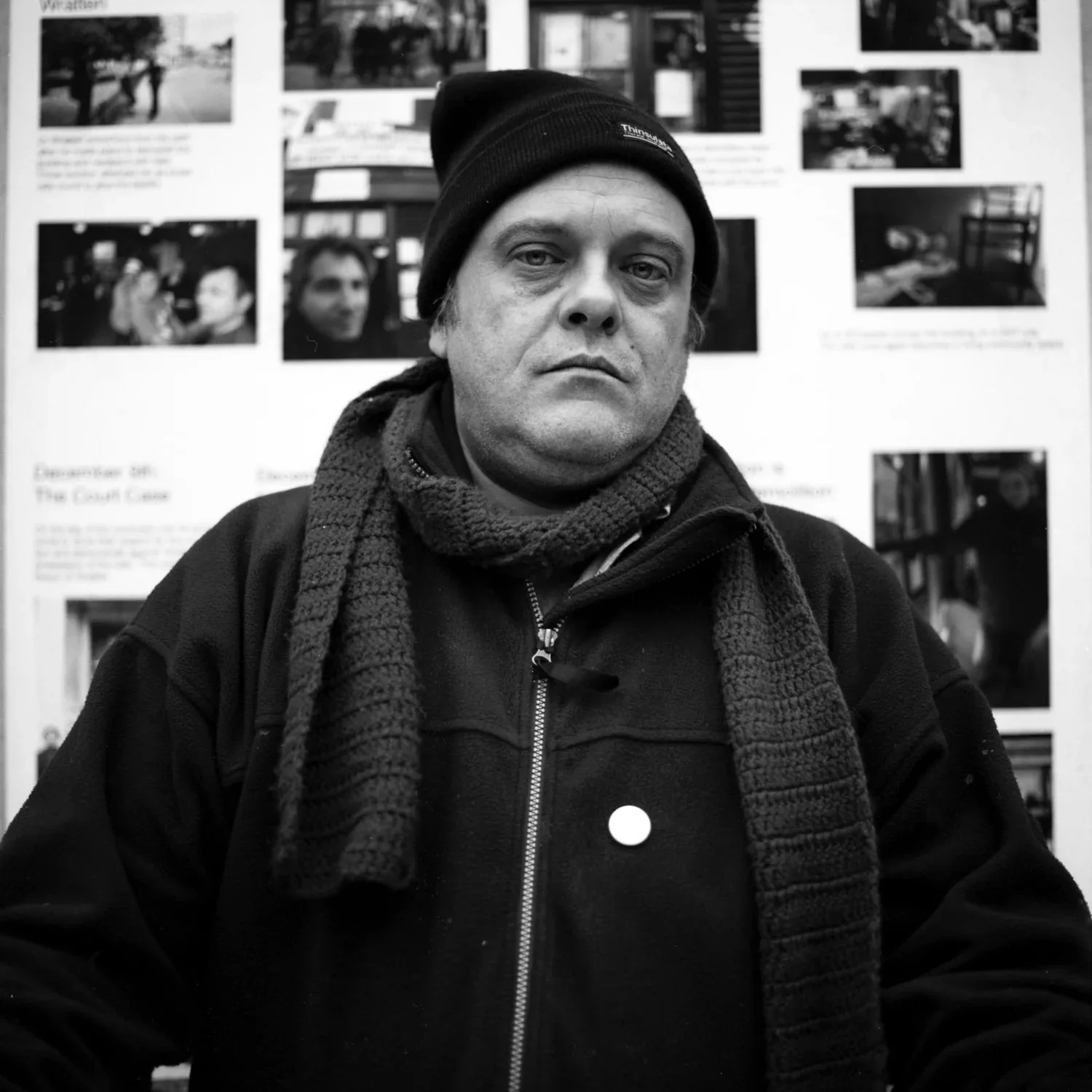
Tony Platia ran Café Francesca for thirty years before being forced out when his rent was raised by more than a thousand percent; his café is now a Planet Organic. I photographed Tony two days before his eviction and sat with him and local residents inside the café to resist the bailiffs, who arrived before dawn with police. Those moments, and the protests that followed, marked what became known as The Battle of Broadway Market – a community’s stand against the privatisation of its own high street.
Spirit Grant took on 71 Broadway Market in 1993, investing years and around £40,000 restoring the derelict site, only to see it sold in the council’s property disposal. He later sued the London Borough of Hackney for breach of contract and was eventually evicted. Spirit passed away in 2018. Tiko Tuskadze, who ran Little Georgia, was also forced to leave by rising rents; she later rebuilt her business on Goldsmith’s Row and went on to open a thriving restaurant in Islington.
Nearby, landlord Stephen Selby continued to live and work in the building that became Off Broadway, operated by his son Rupert Selby and Byron Knight. Knight had also later co-founded Duke’s Brew & Que and helped establish Beavertown Brewery before parting ways with the project. The venue reflected a new phase in Broadway Market’s story — one where regeneration had shifted from eviction battles to debates over noise, nightlife, and the meaning of community itself.
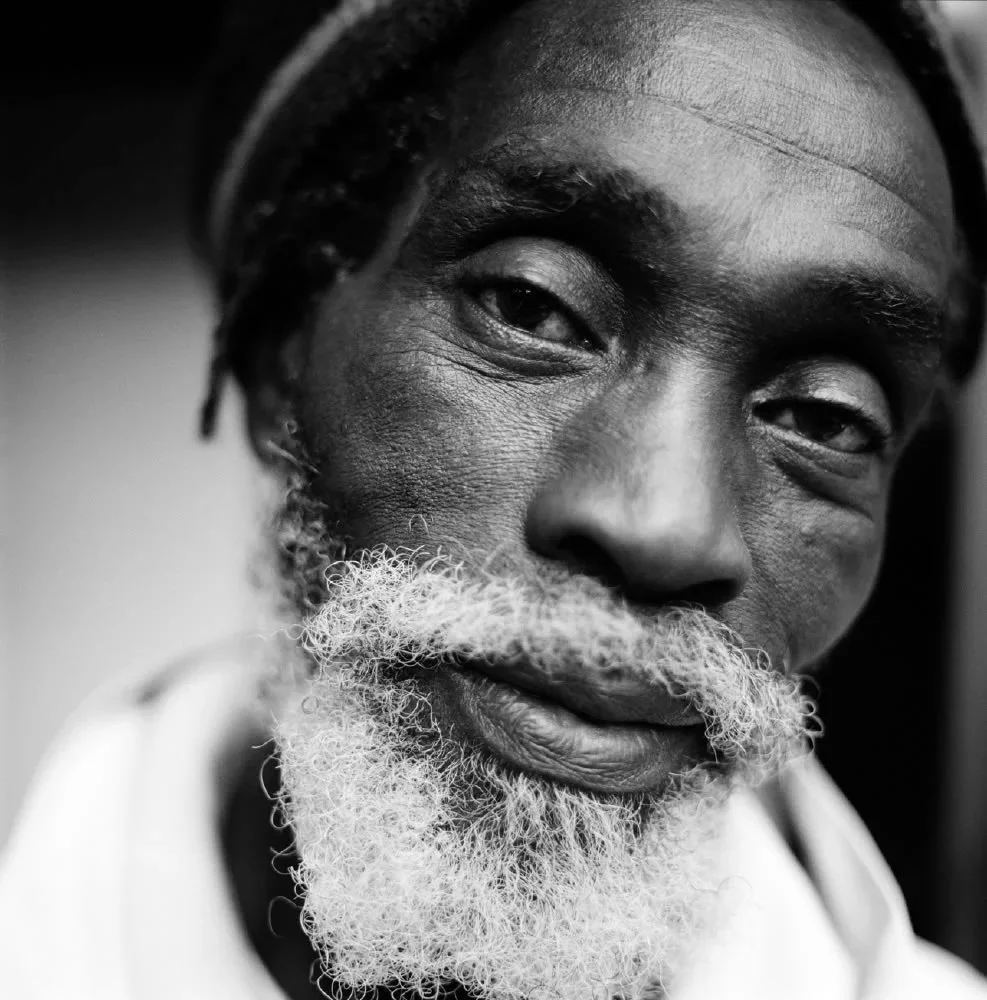
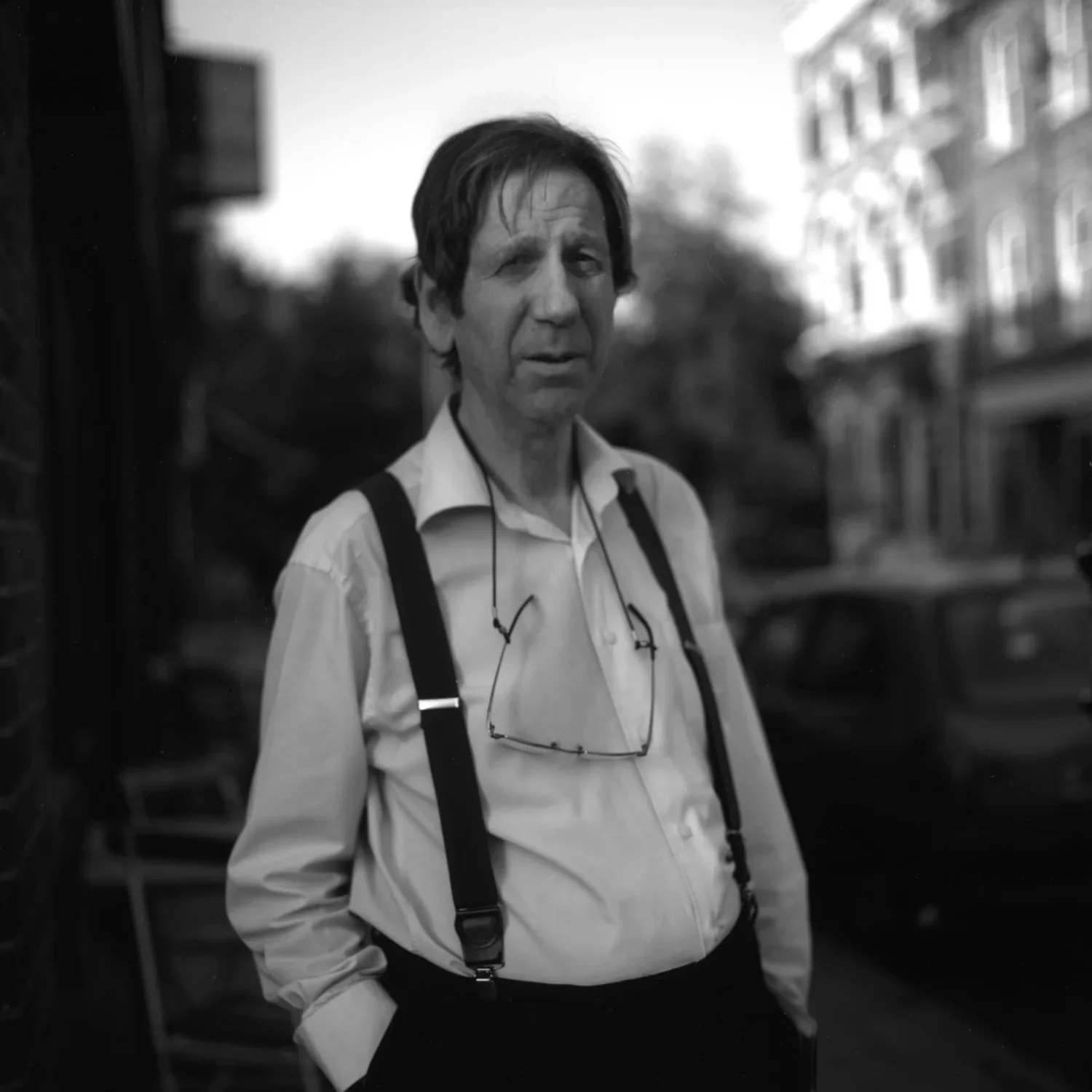
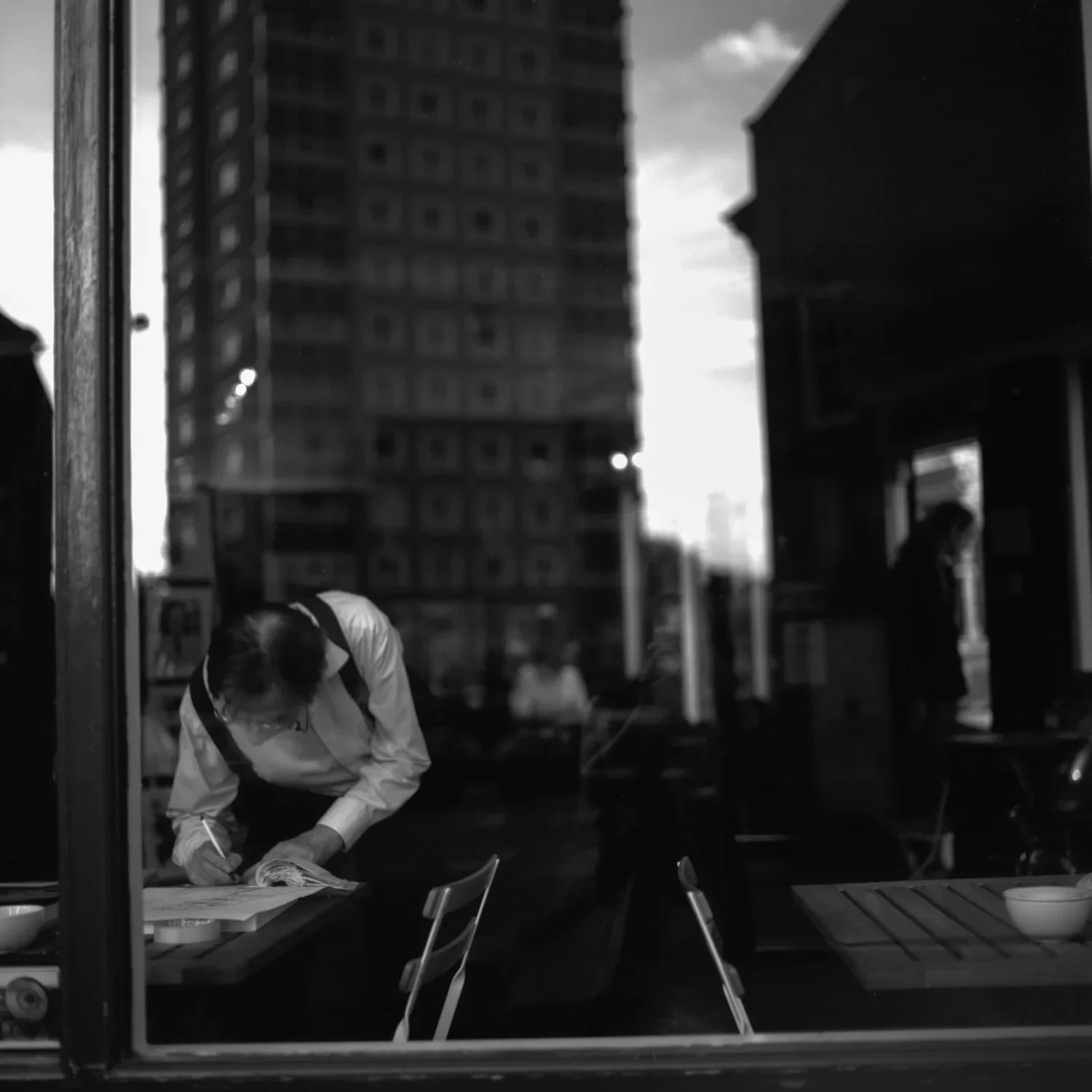
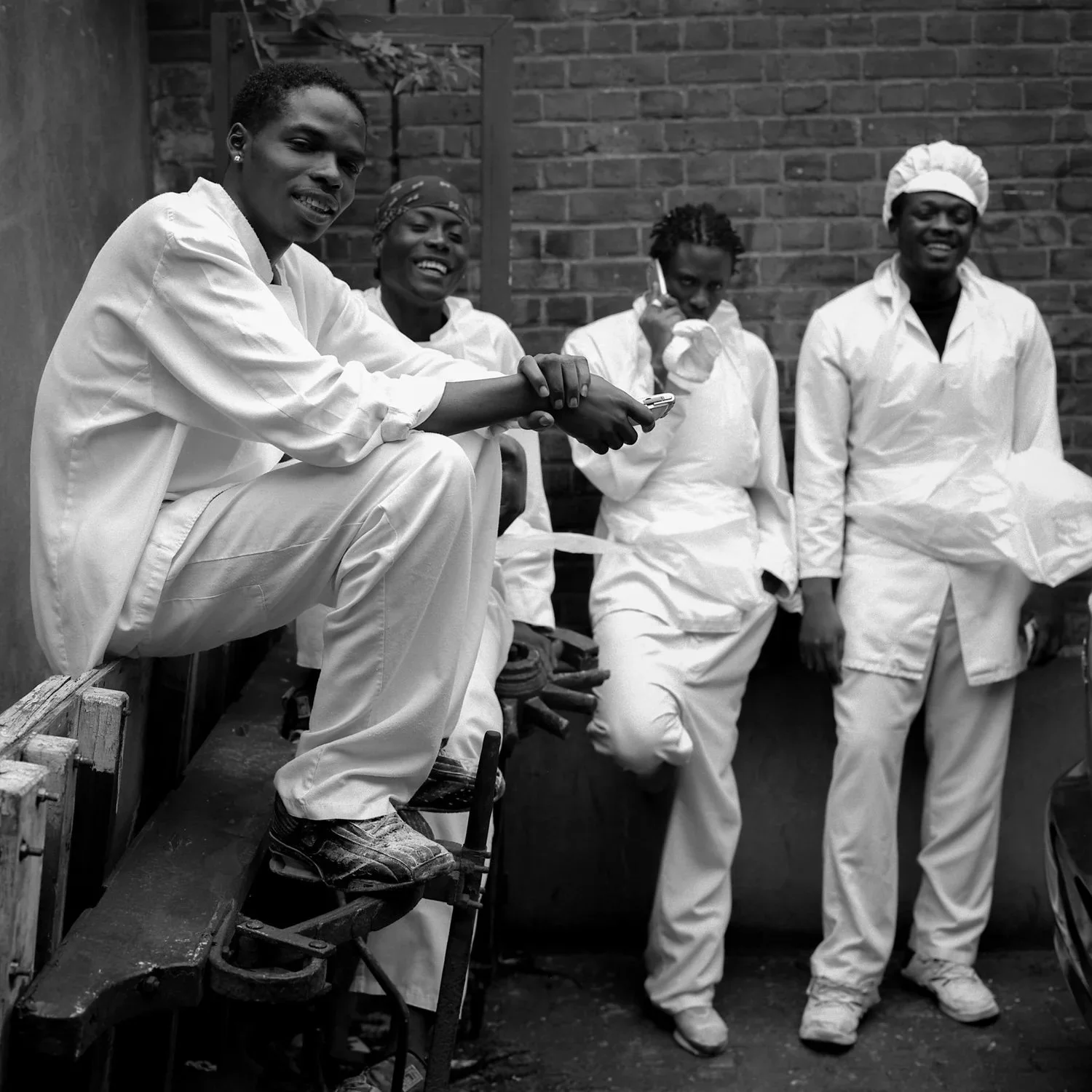
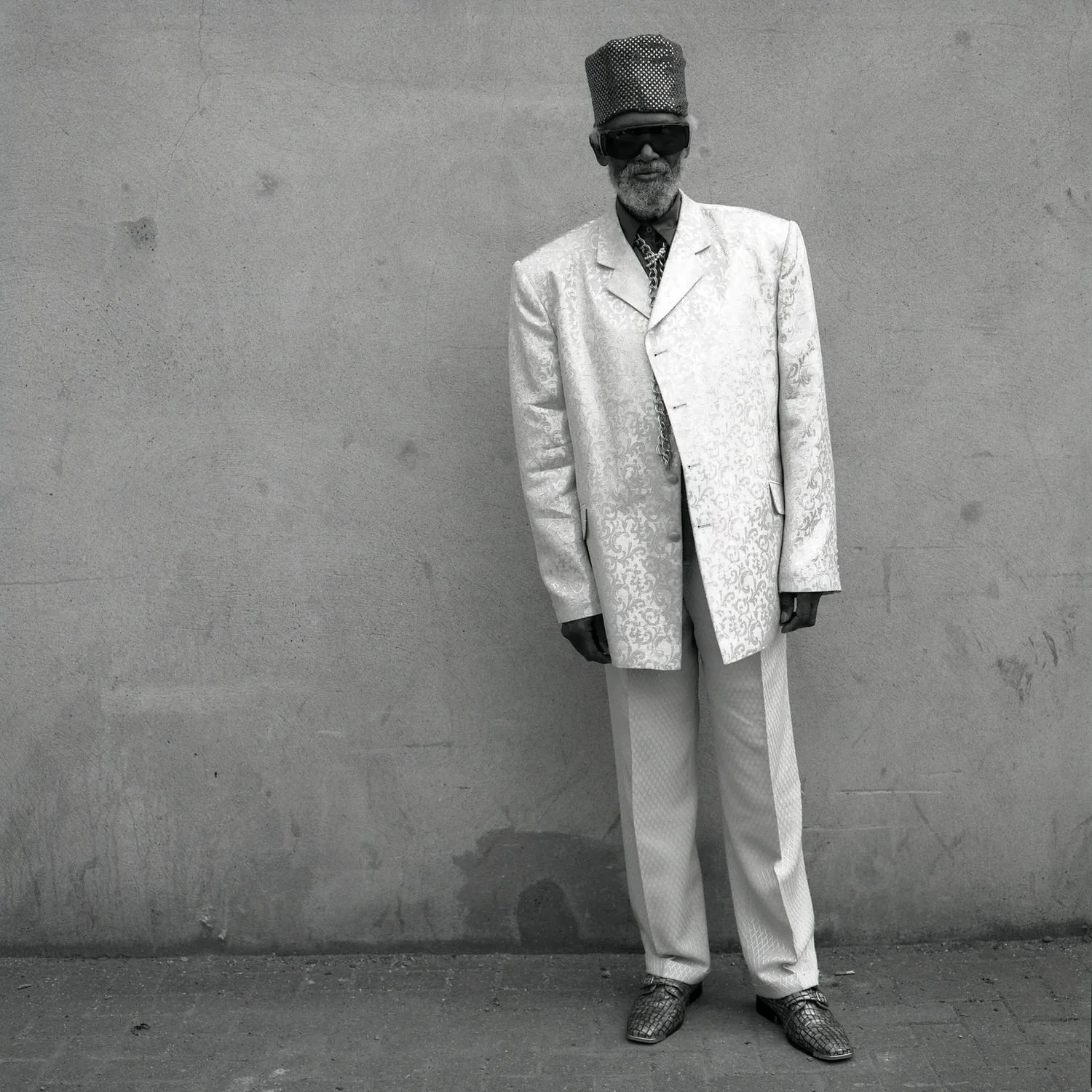
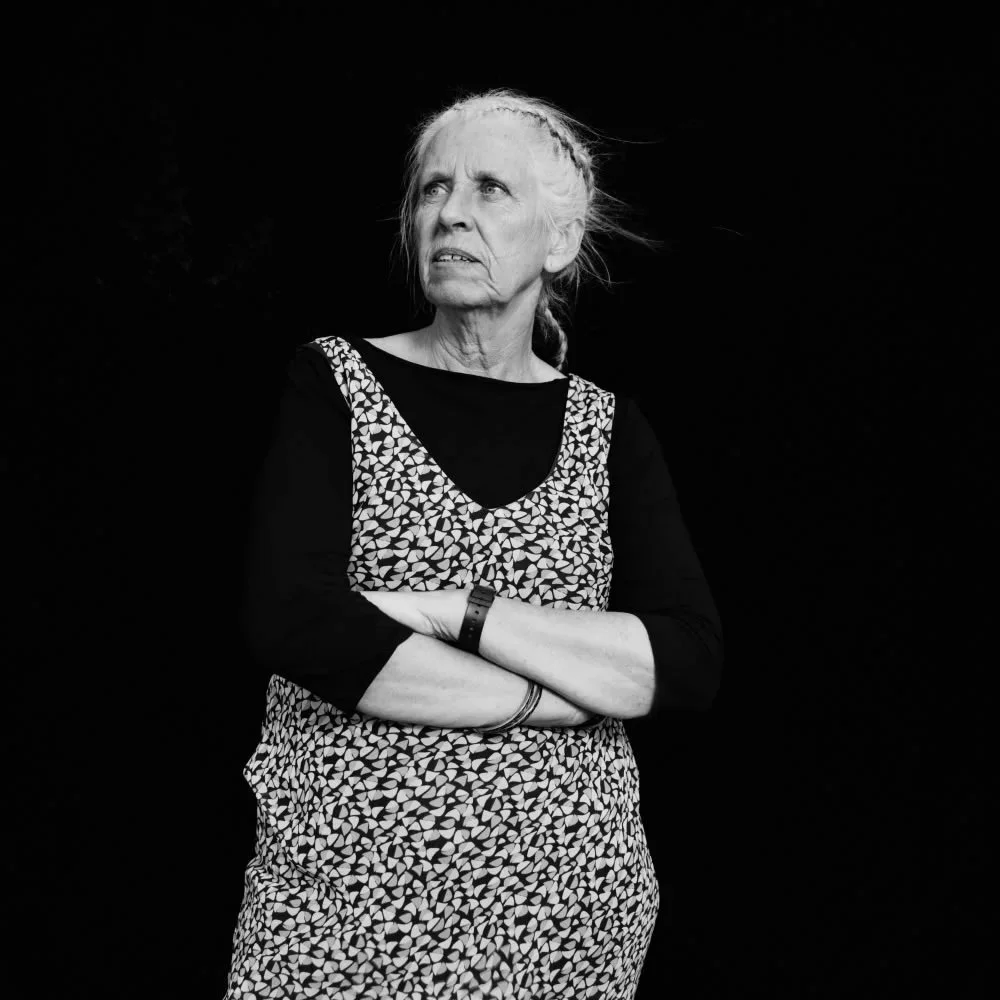
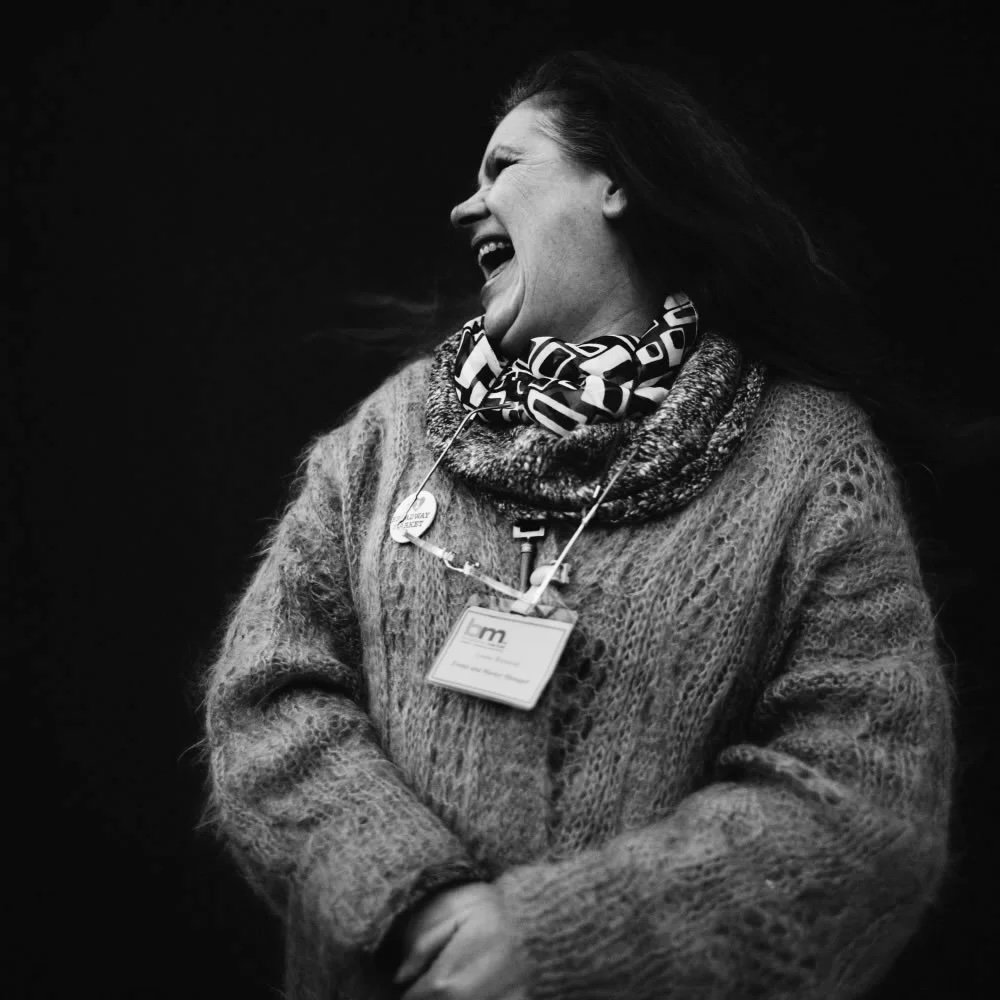
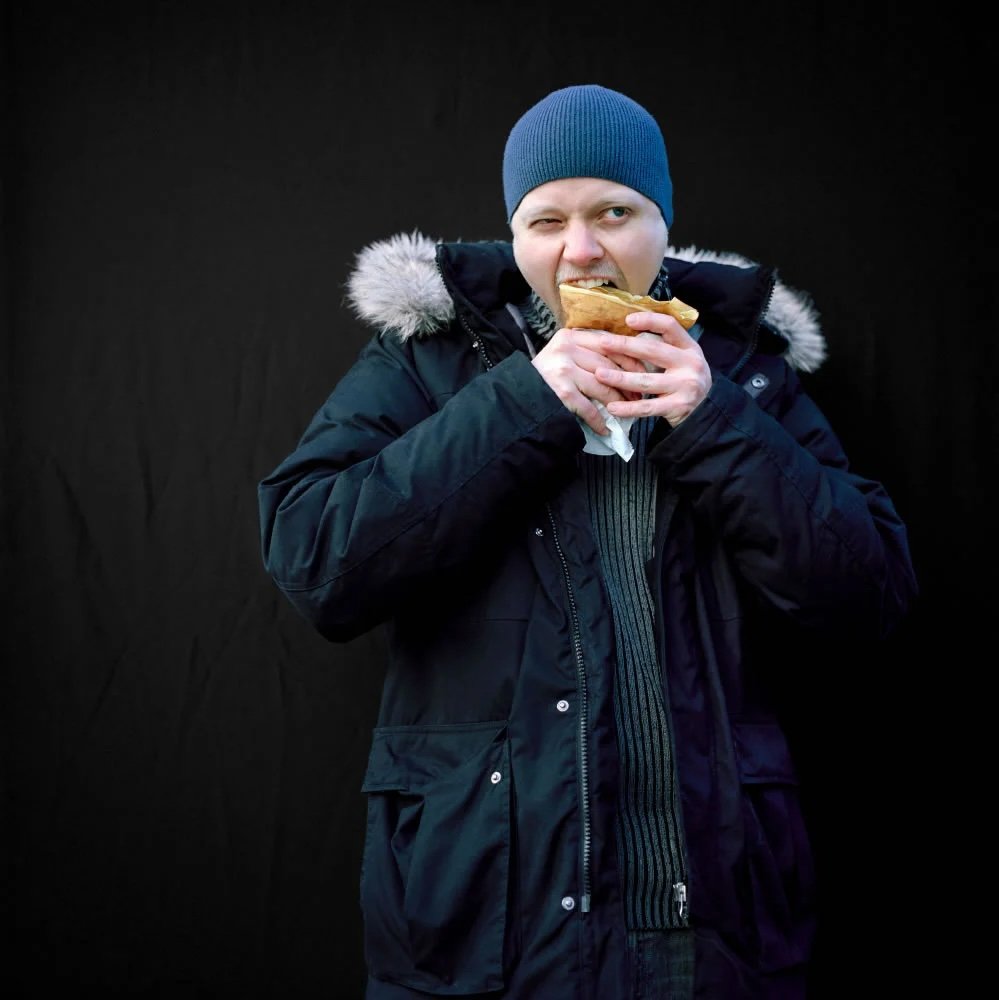
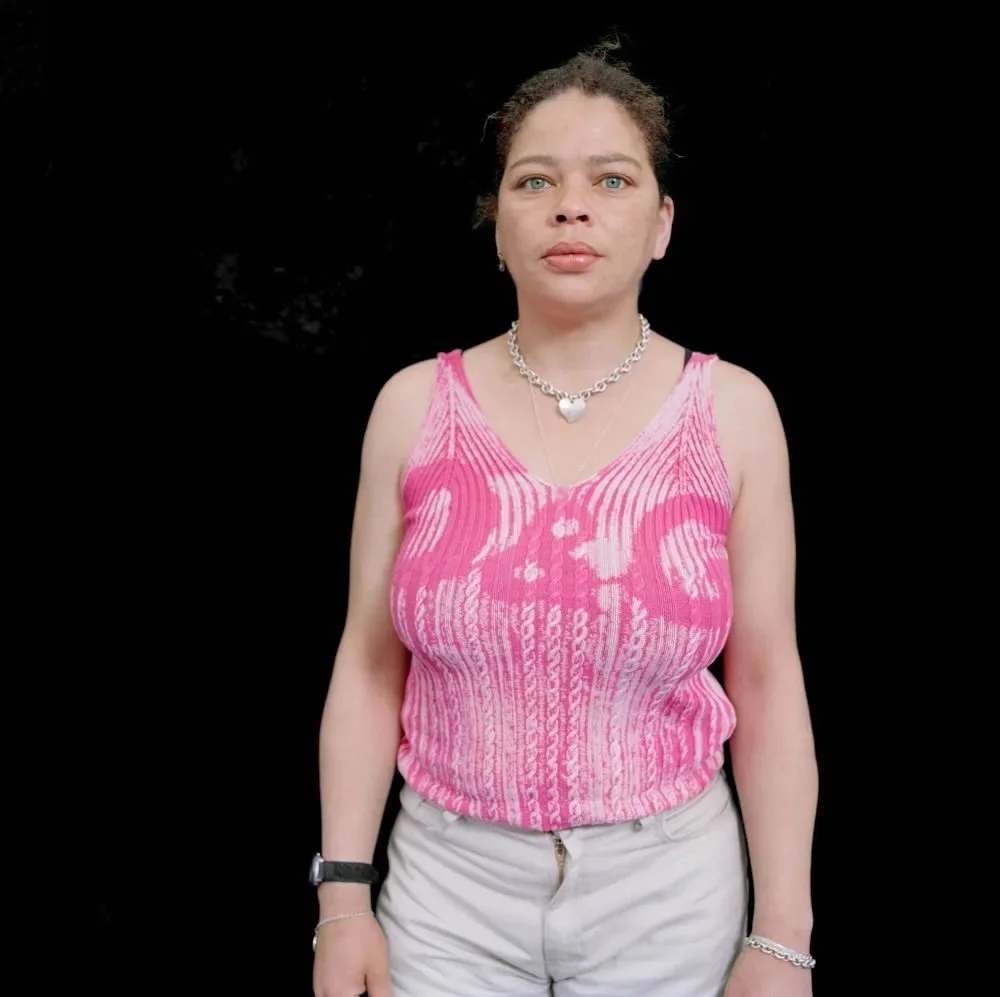
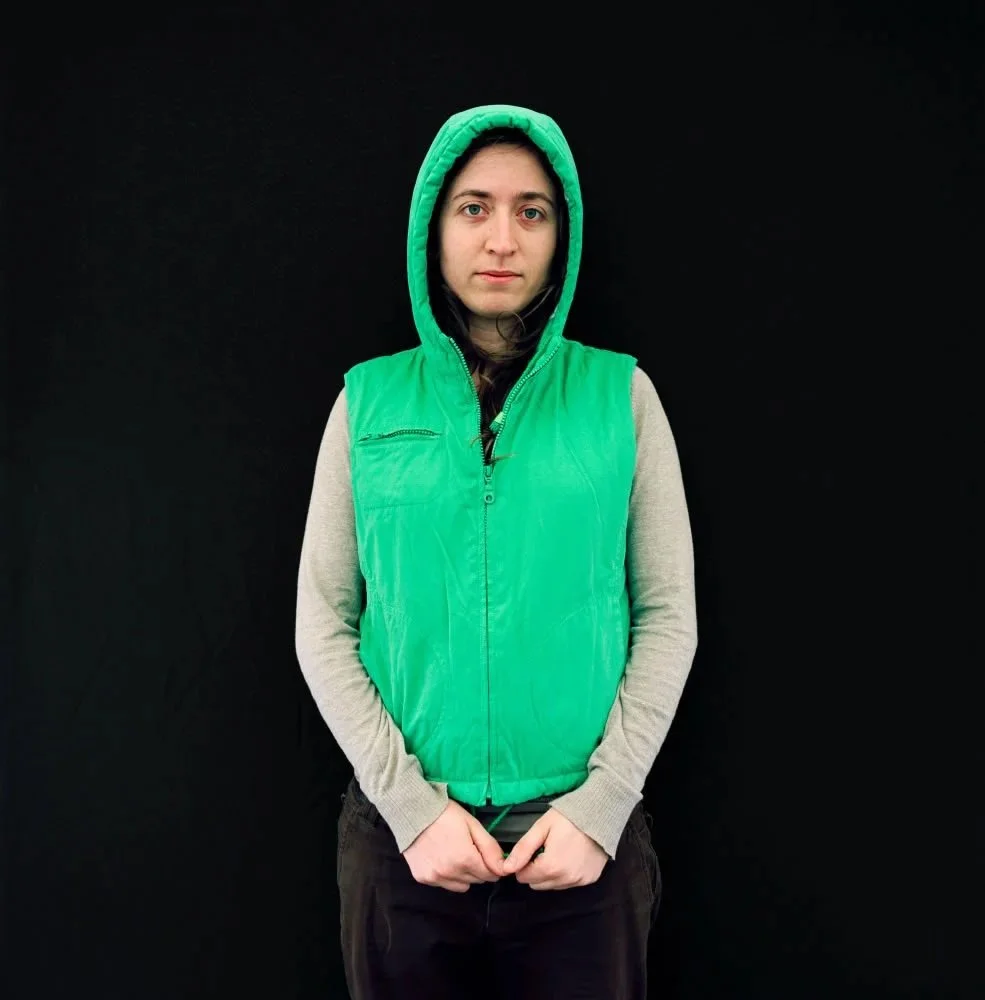
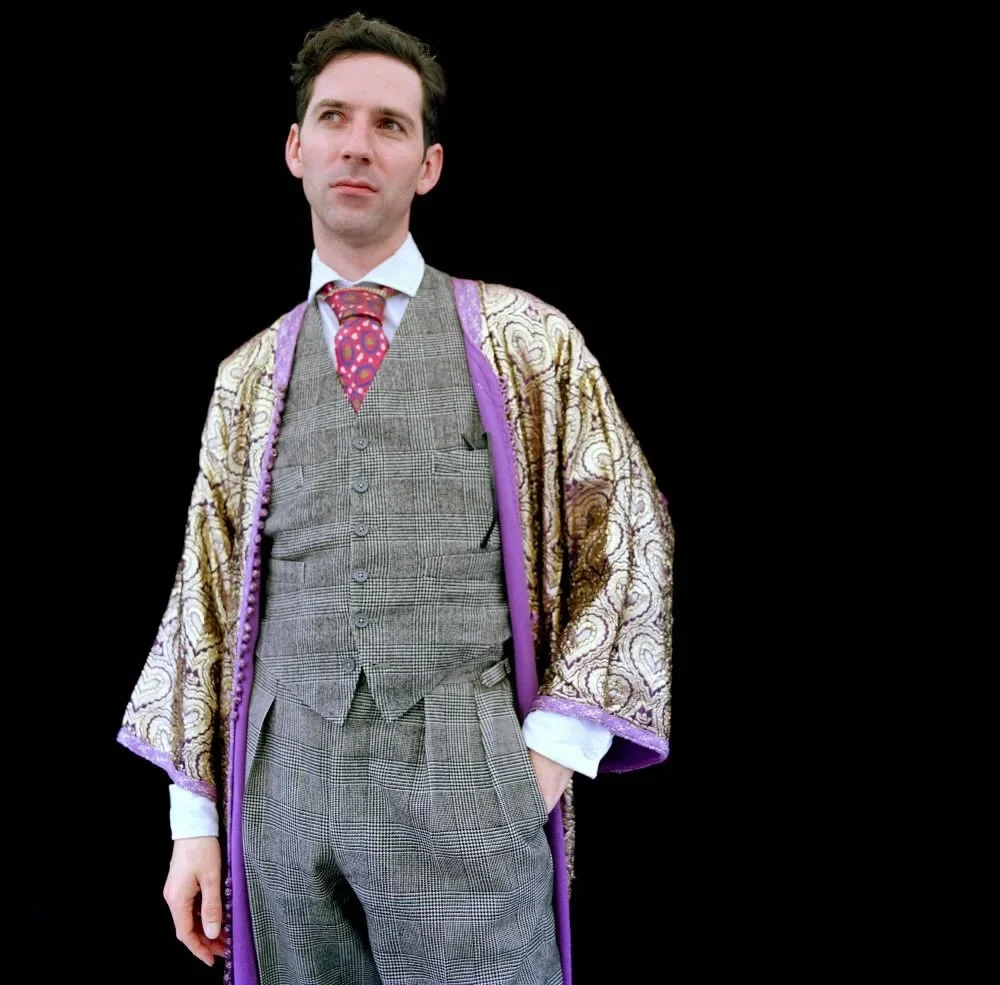
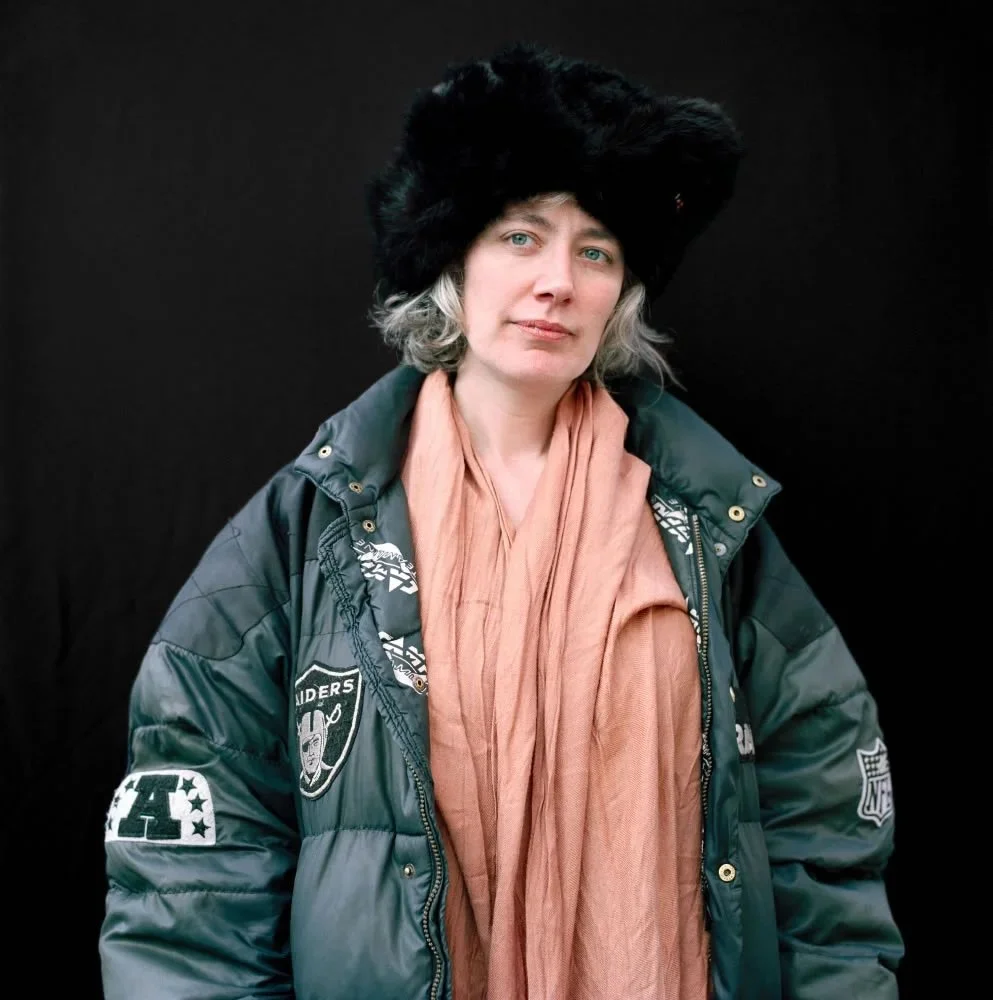
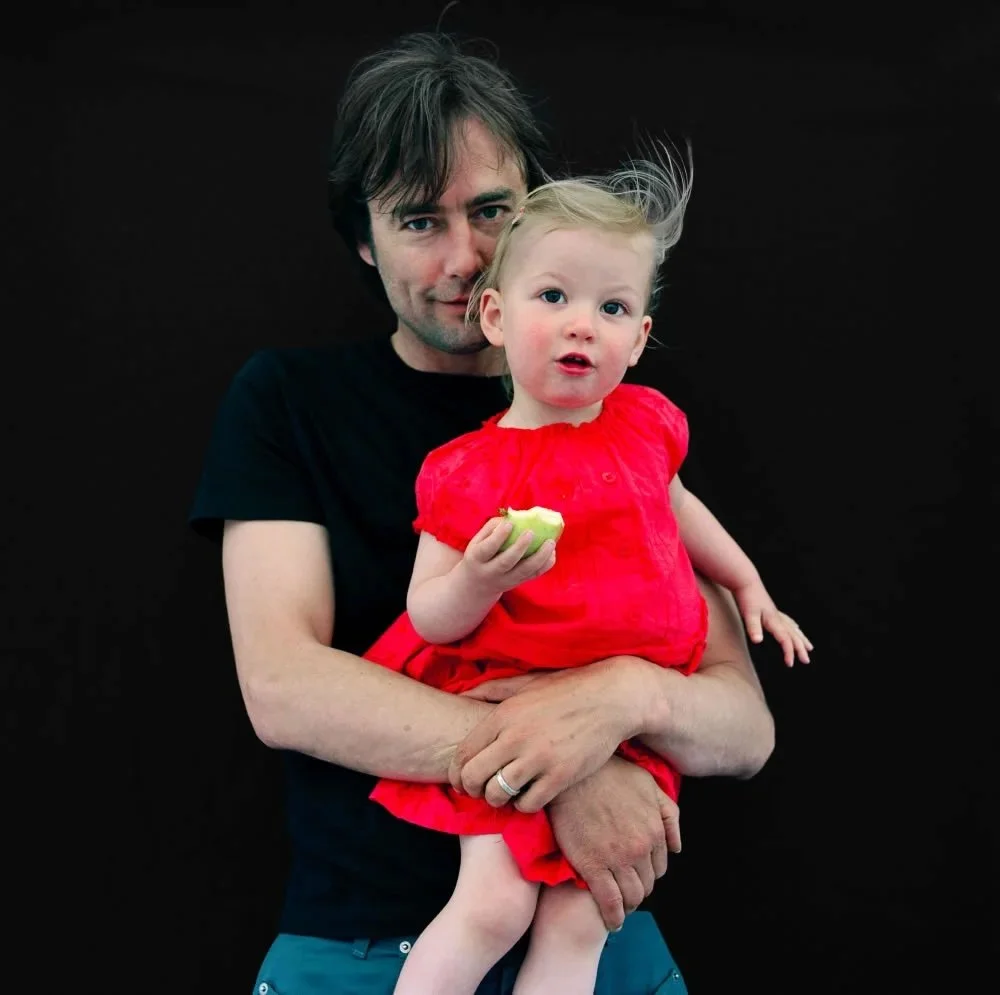
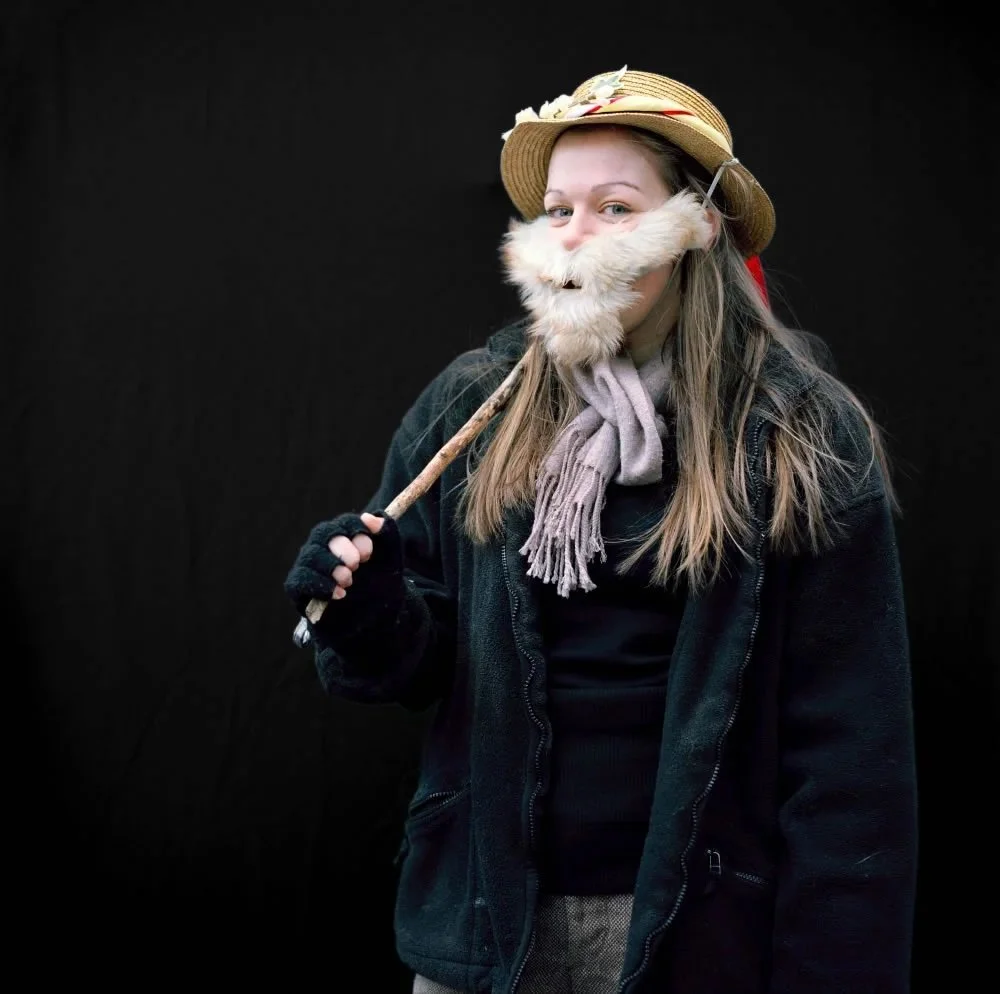
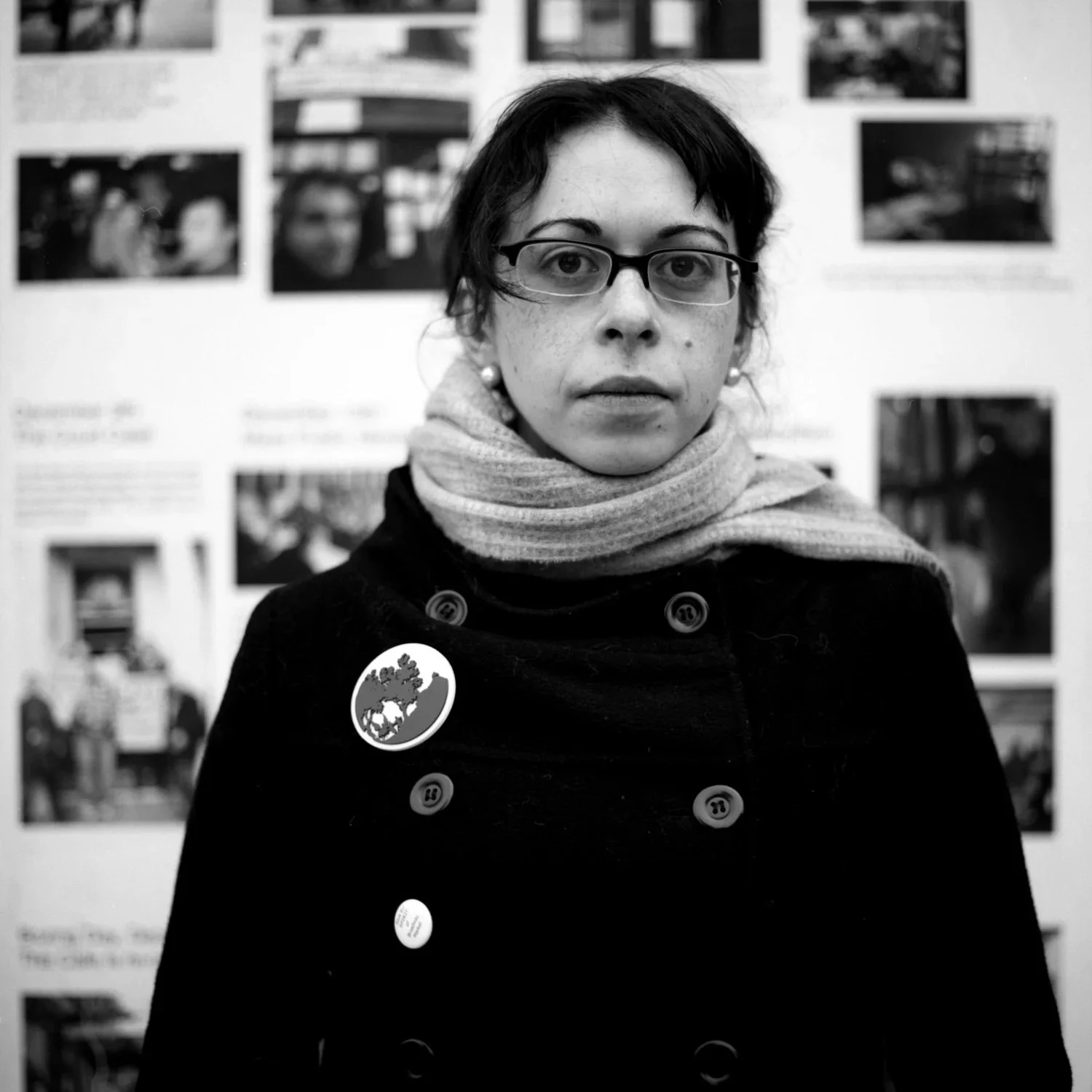
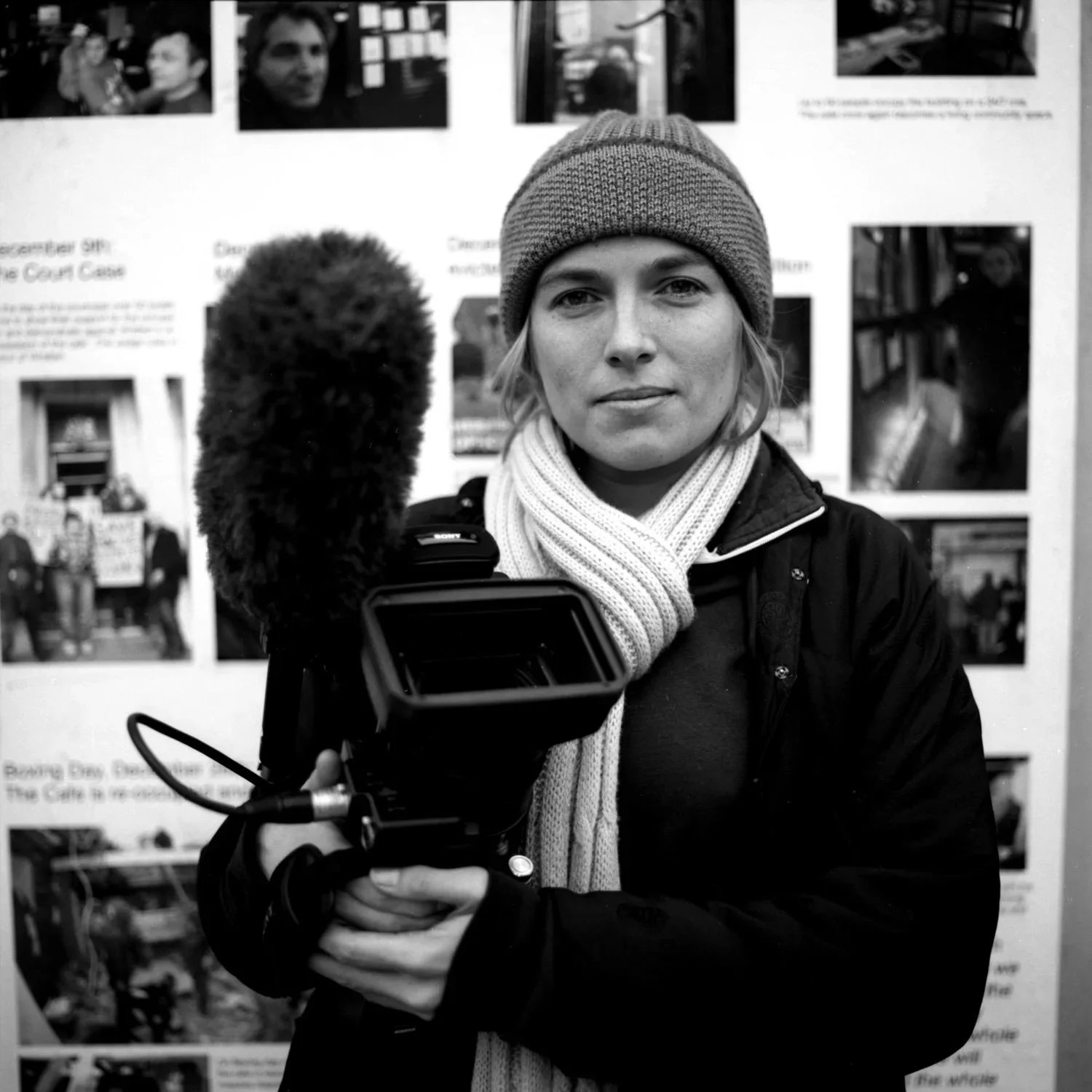
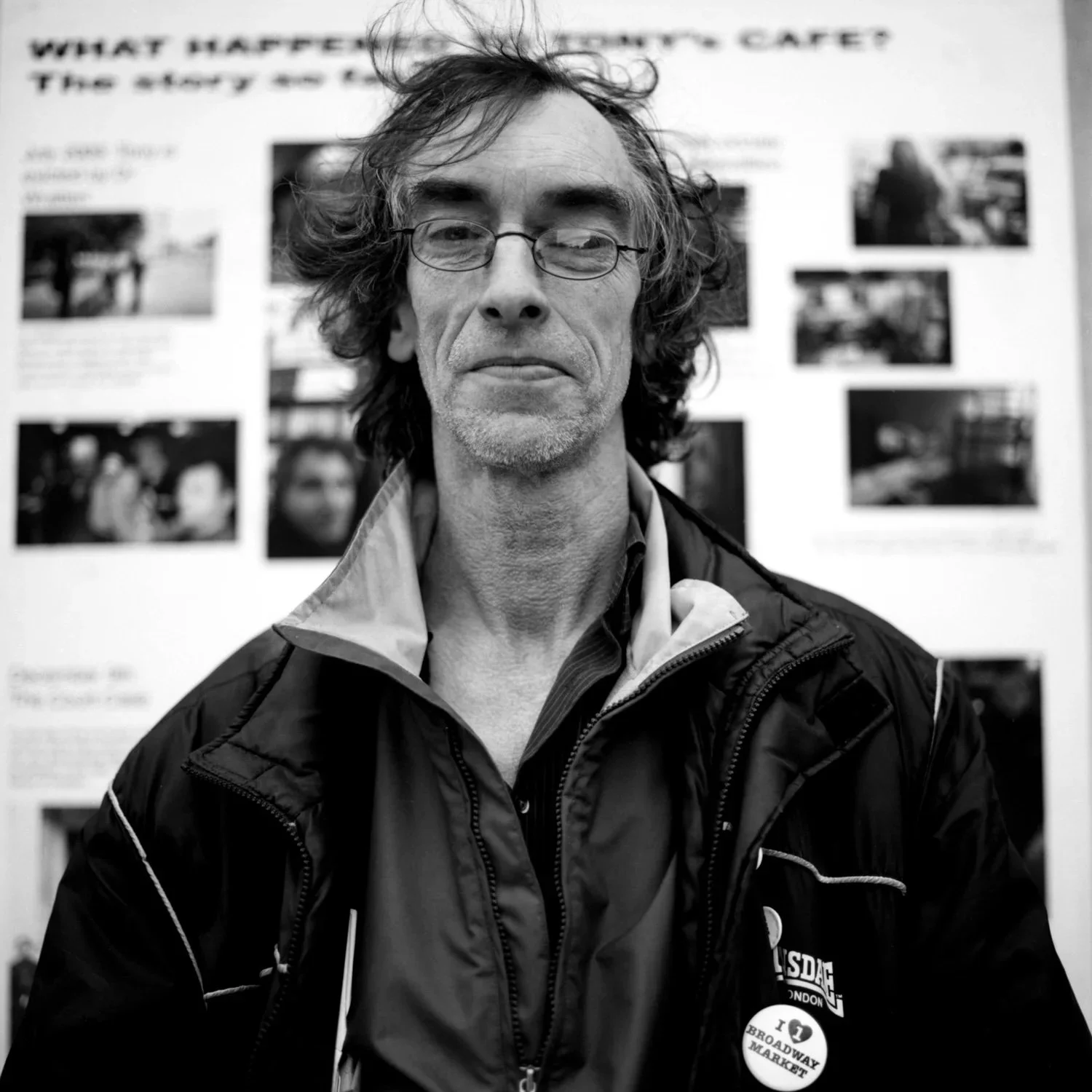
Between 2002 and 2006, I photographed Tony, Spirit, Tiko, Stephen, Ruper, Byron and more than 500 residents, traders, and visitors – on the streets, in shops and parks, and through a portrait booth on the revived Saturday market. The work culminated in a 2006 exhibition at Seven Seven Gallery featuring Portrait Obscura, a projection machine built with my then-partner Georgie Clarke that turned participants into part of the show itself. The installation later entered the collection of Hackney Museum, preserving a record of a community in transformation and of the people who defined it.





Lorem ipsum dolor sit amet, consectetur adipiscing elit, sed do eiusmod tempor incididunt ut labore et dolore magna aliqua. Eget velit aliquet sagittis id consectetur purus ut faucibus pulvinar. Commodo quis imperdiet massa tincidunt.