Invisible Light
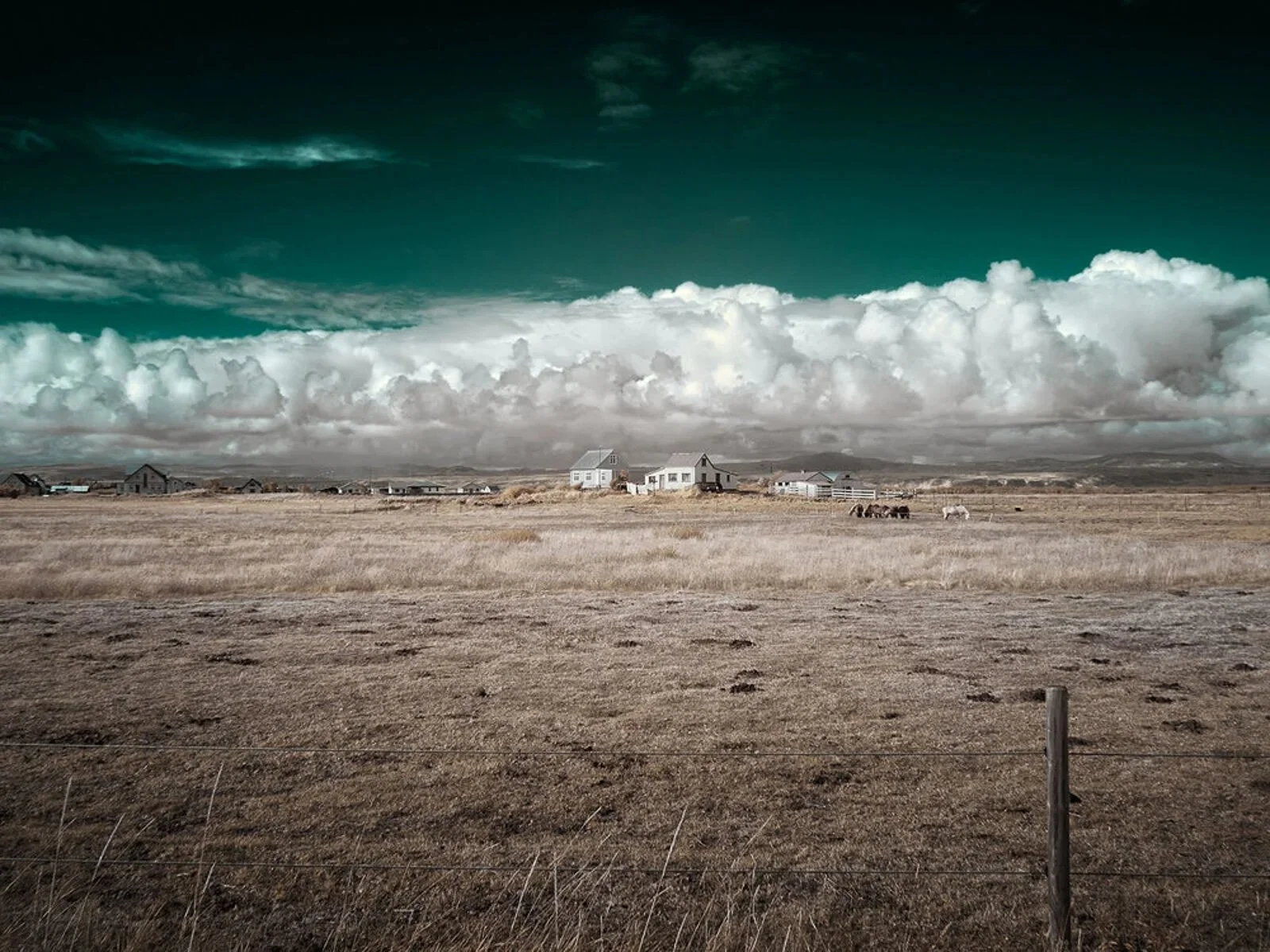
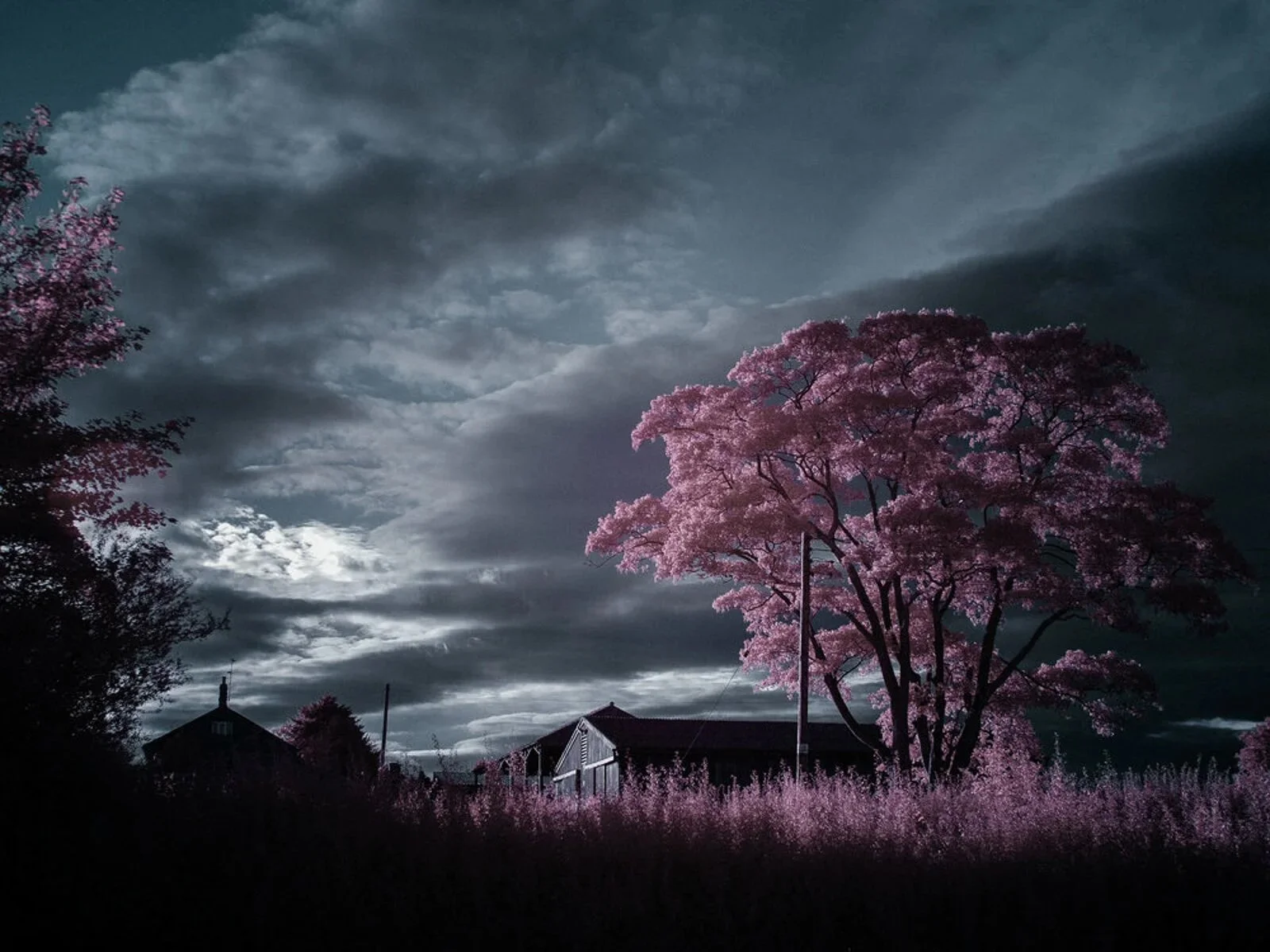
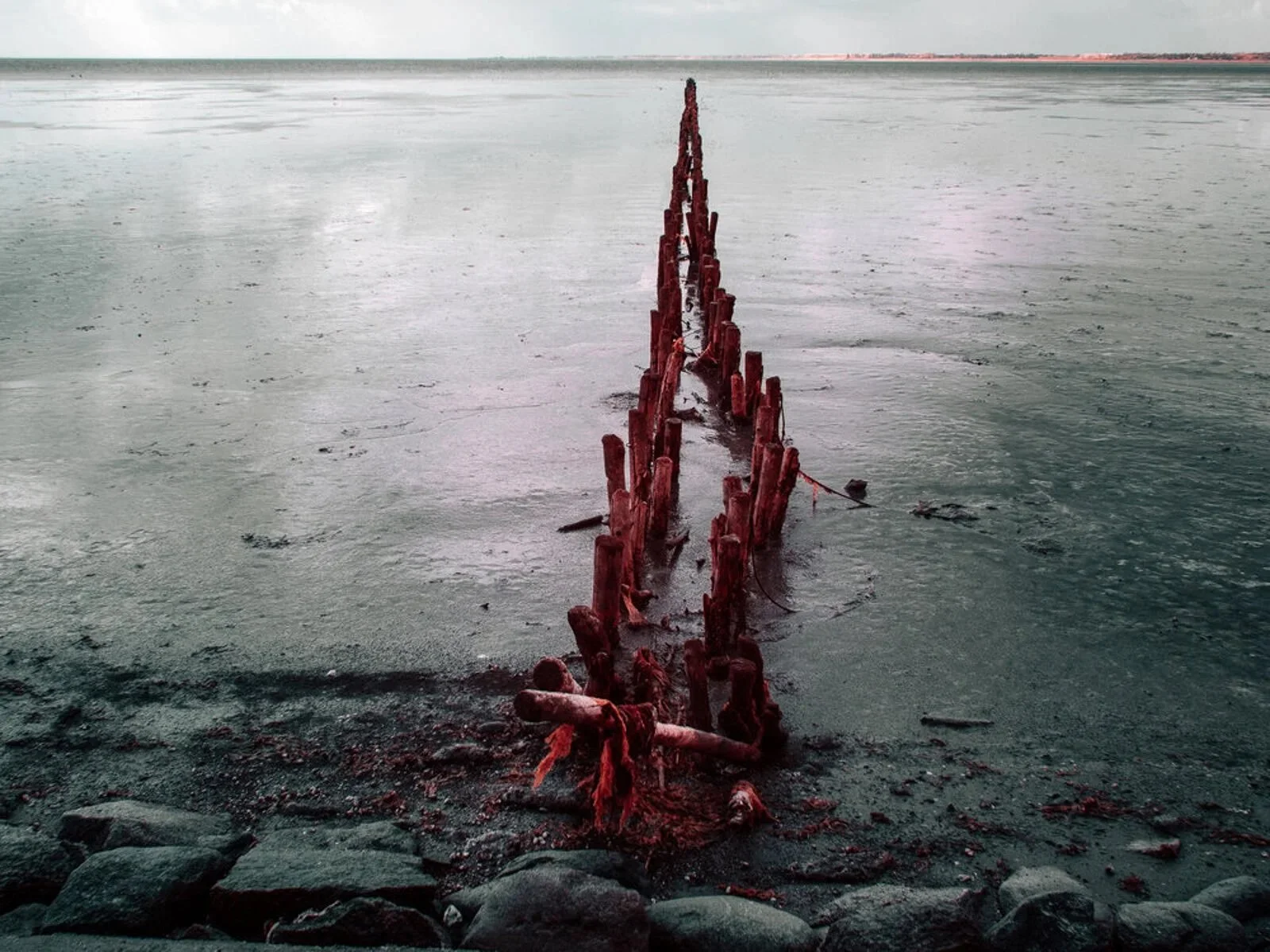
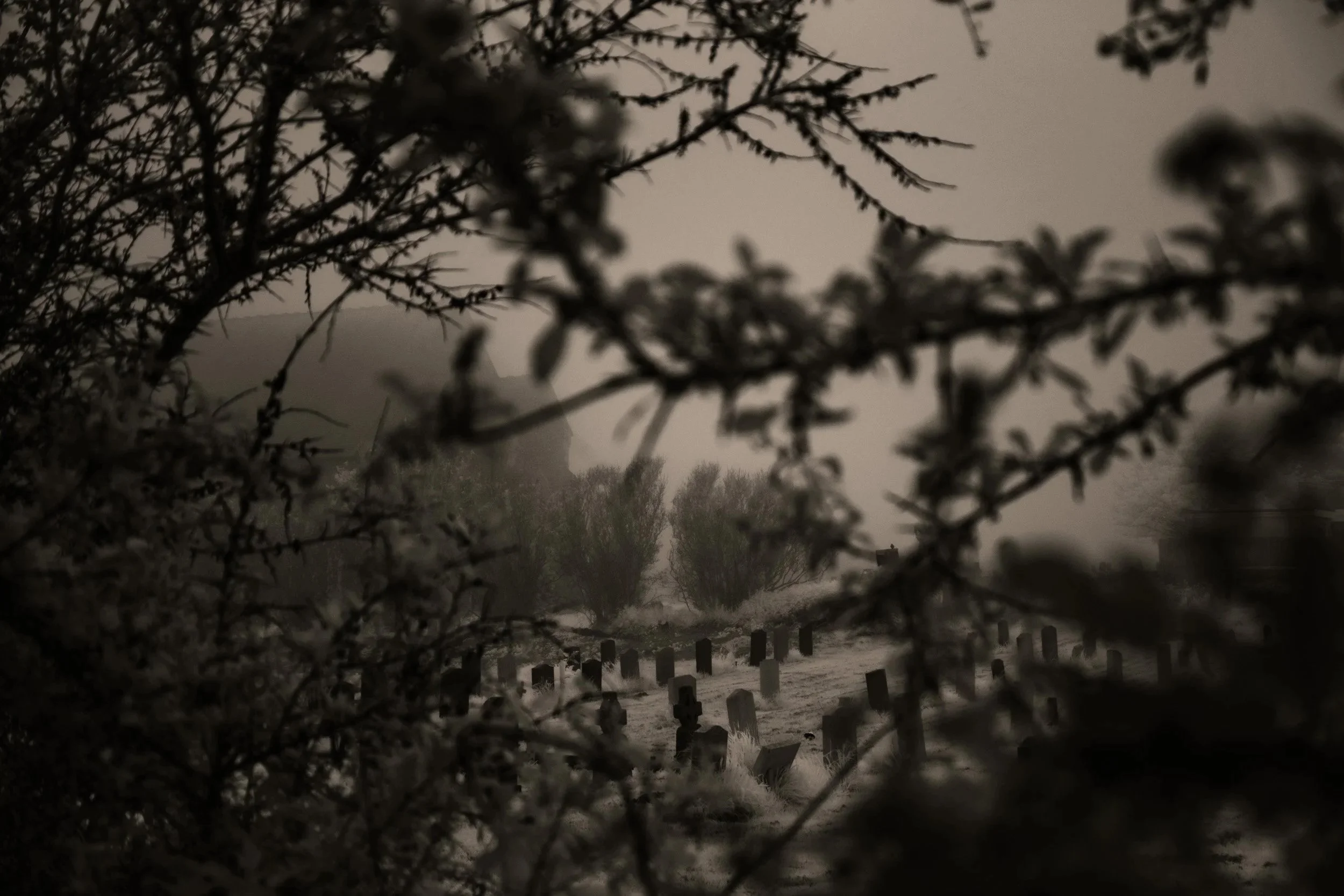
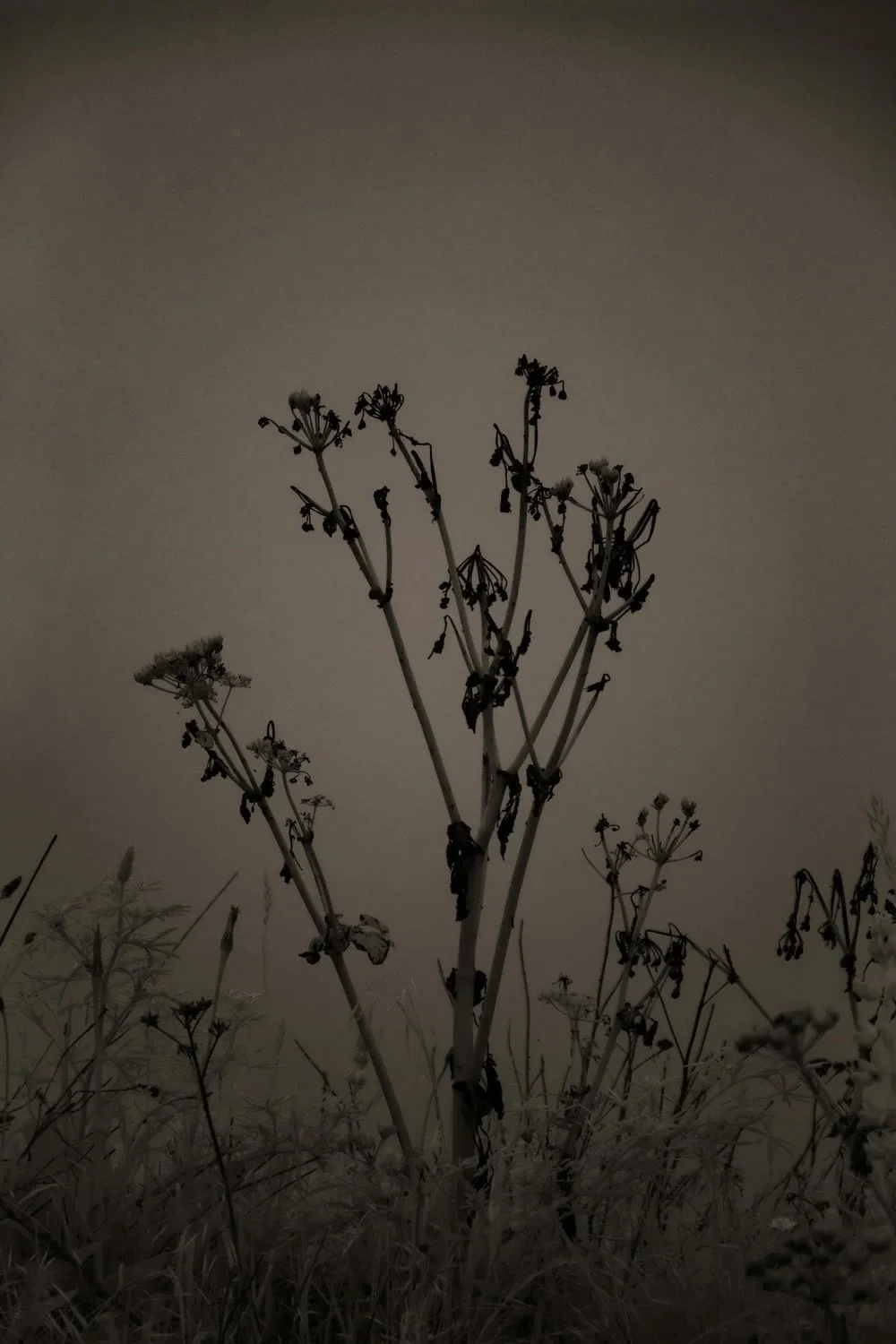
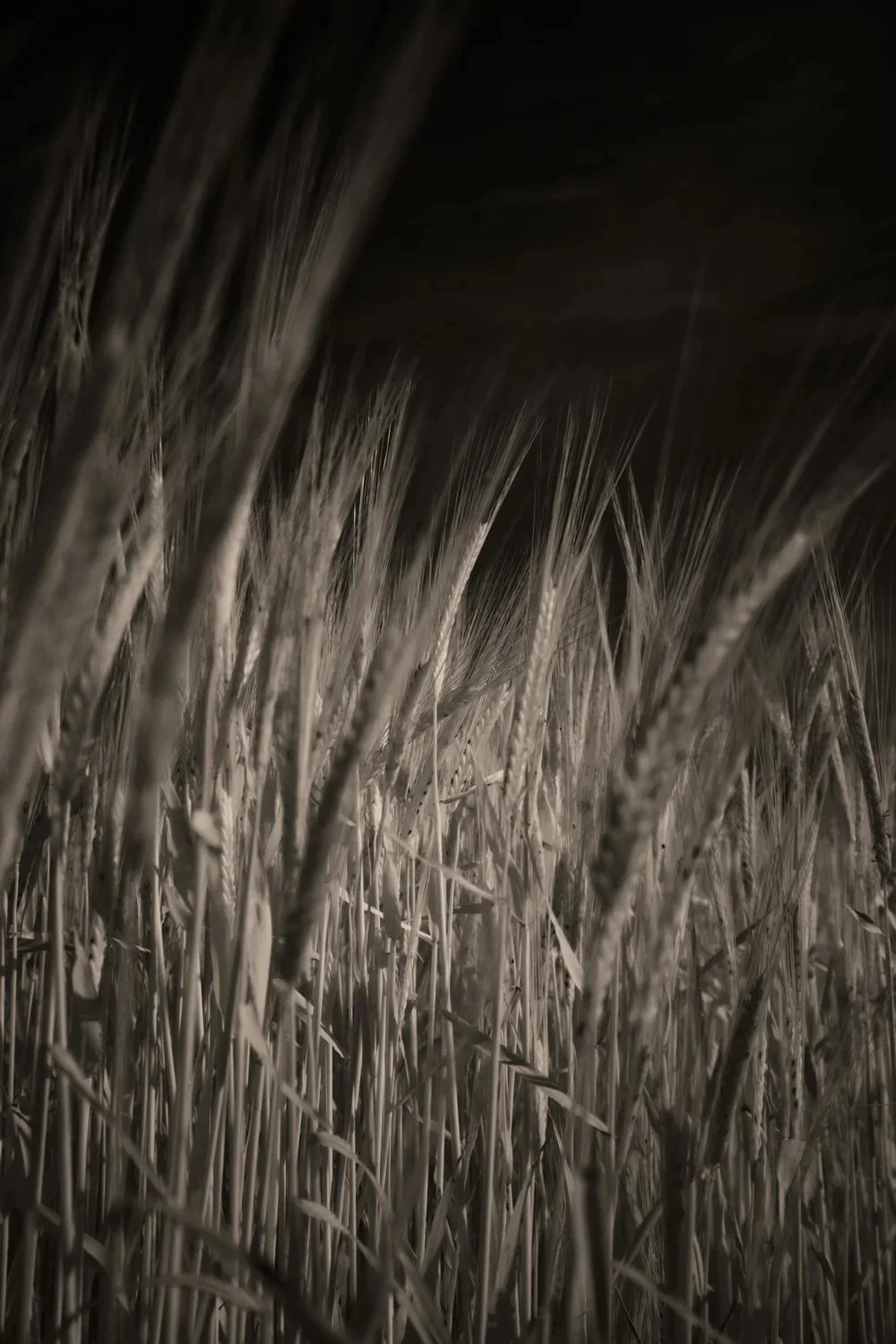
Infrared light is invisible to the human eye. It sits just beyond the red edge of the visible spectrum, in a range that the eye cannot access, but that a converted digital camera and film can. Working in this space is, among other things, a reminder that sight is partial: what we see is a narrow band, not the world entire.
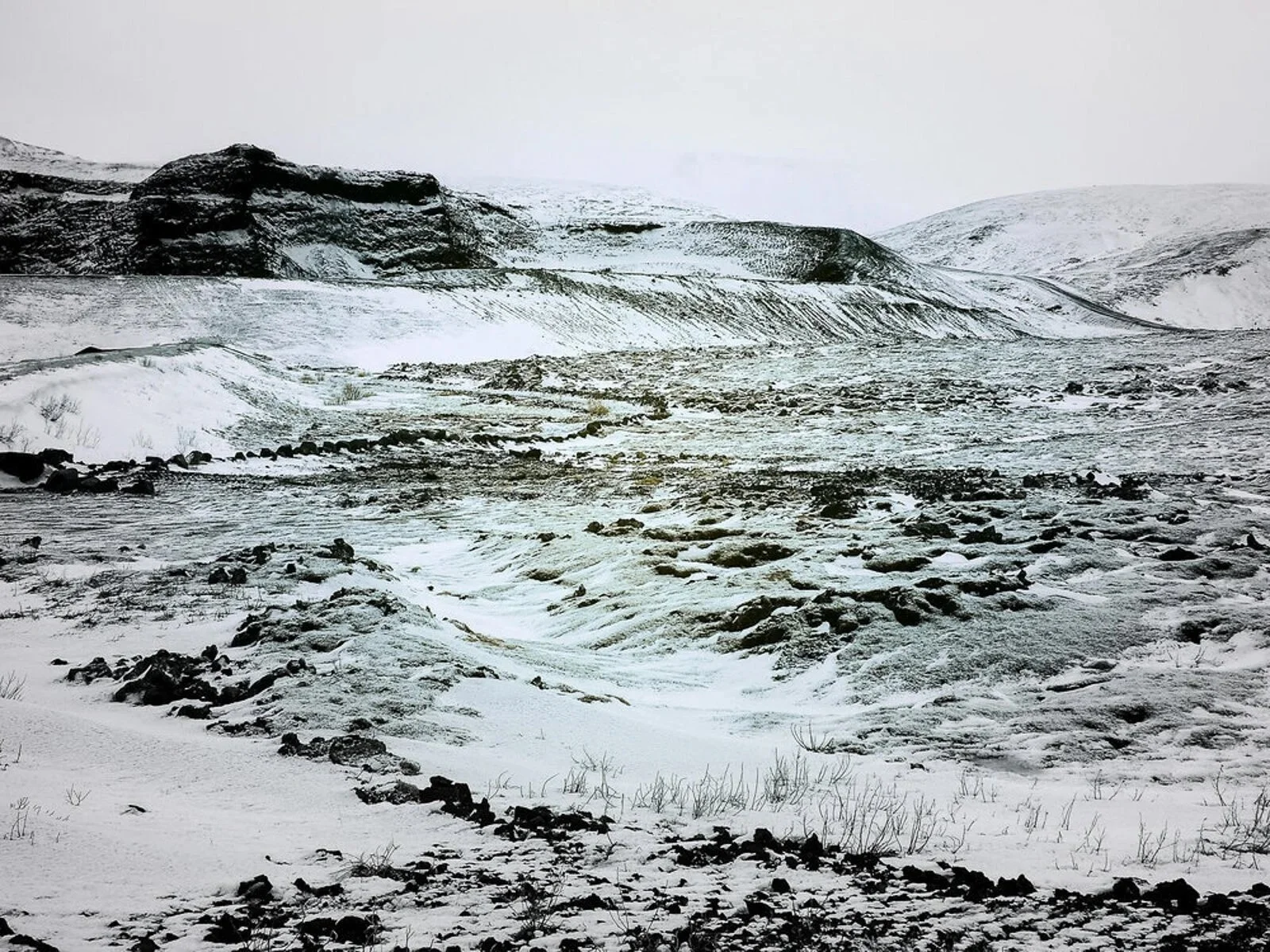
This practice began in Miami in 1994, with a roll of Kodak HIE black-and-white infrared film and a frustration with what visible-spectrum photography was returning to me. I wanted something that could hold the contrast of that light differently. I abandoned it, dissatisfied, and returned to it two decades later, drawn back by digital conversion and by the landscape of Iceland, which offered nearly 24 hours of daylight and space to fail at scale.
I am still learning the language of this medium. The monochrome work, in particular, has become a form of walking meditation, a way of getting physically closer to the earth and attending to it at a register that bypasses ordinary looking.
The practice sits at the intersection of what cameras can record beyond human vision, what the eye learns from working that way, and what questions that raises about perception itself, in sighted people, in non-sighted people, and in the spectrum of seeing that exists between and beyond both.